
Chittagong Resistance
On 26 March 1971, Bengali military personnel and civilians in Chittagong mounted an armed resistance against the Pakistan Army, seized Kalurghat radio station and broadcast the Declaration of Independence.
Key Facts
At a Glance
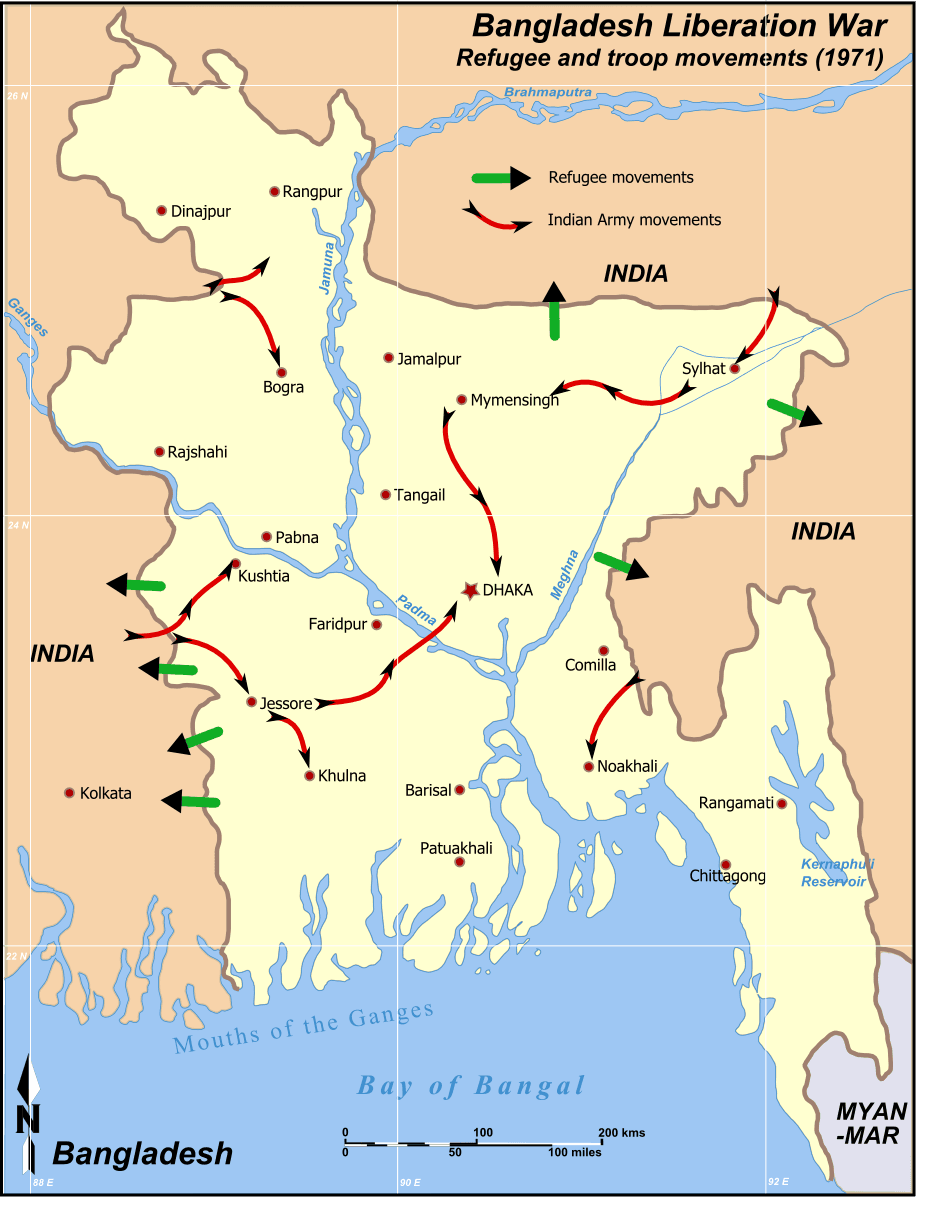
Chittagong, where Major Ziaur Rahman broadcast the Declaration of Independence and early resistance fighters held off Pakistani forces.
Wikimedia CommonsDetail
On 26 March, the day after Operation Searchlight, Bengali soldiers and civilians in Chittagong spontaneously rose in resistance. Major Ziaur Rahman of the 8th East Bengal Regiment led his troops in revolt against the Pakistani cantonment and seized Kalurghat radio station, broadcasting the independence declaration that put Bangladesh on the world's radar. Awami League activists and students erected road barriers across the city and fought Pakistani advances toward the port with whatever arms they could find. Bengali East Pakistan Rifles personnel also mutinied and joined the resistance. The street fighting lasted several days, significantly disrupting Pakistani logistics through the critical Chittagong port. The Chittagong resistance was among the earliest organised armed confrontations of the Liberation War and laid the groundwork for Sector 1 — which would become one of the war's most active operational zones for the next nine months.
Banglapedia: Chittagong in 1971
Asiatic Society of Bangladesh
secondaryA History of Bangladesh
Willem van Schendel, 2009
secondary