
Refugee Crisis of 1971
During the Liberation War, approximately ten million people fled to India — one of the largest refugee crises of the twentieth century.
Key Facts
At a Glance
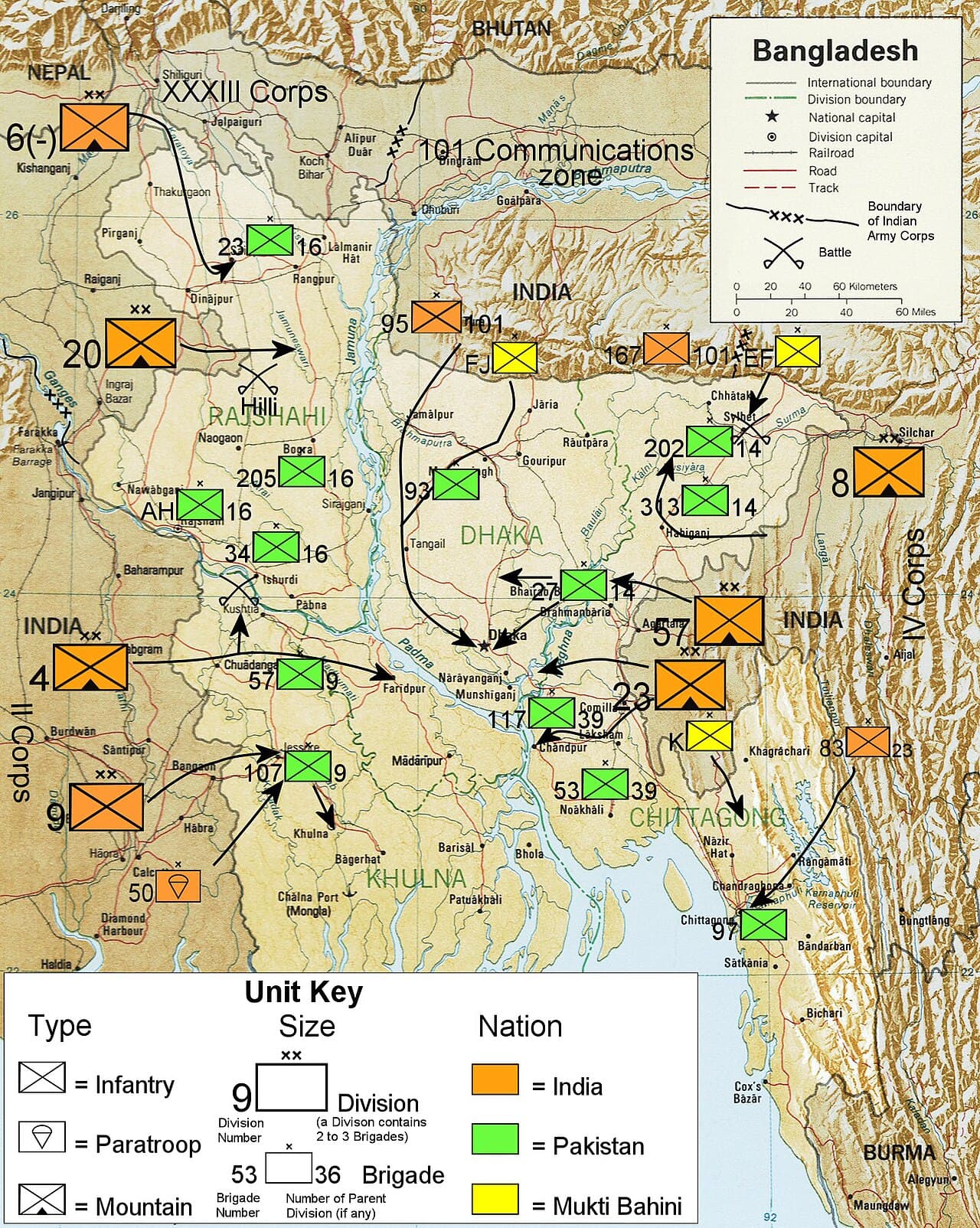
Approximately ten million Bangladeshi refugees fled to India between March and December 1971 as Pakistani military operations intensified.
Wikimedia CommonsDetail
From the night of Operation Searchlight, as systematic killing, rape and arson spread across East Pakistan, a human flood began crossing the border into India. By peak flow in May 1971, an estimated 56,000 people were entering India every day. Eventually some nine to ten million refugees sheltered in West Bengal, Tripura, Assam and Meghalaya. India established massive relief infrastructure — seven principal camp networks along the border housed millions. Cholera, dysentery and malnutrition killed tens of thousands of refugees before they could return home. The crisis was the first major refugee emergency of the television age; images of emaciated Bengalis in camps moved international audiences and built pressure on governments to act. India's Prime Minister Indira Gandhi used the refugee burden — which she calculated at $400 million — as diplomatic and moral justification for India's eventual military intervention. When the war ended and refugees returned, the homecoming itself was a second trauma: many found their villages burnt and their Hindu neighbours gone, never to return.
The Blood Telegram
Gary Bass, 2013
secondaryBanglapedia: Refugees, 1971
Asiatic Society of Bangladesh
secondary