Credit: Wikimedia Commons / Public Domain
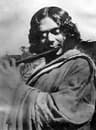
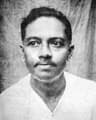
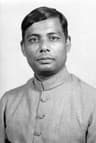
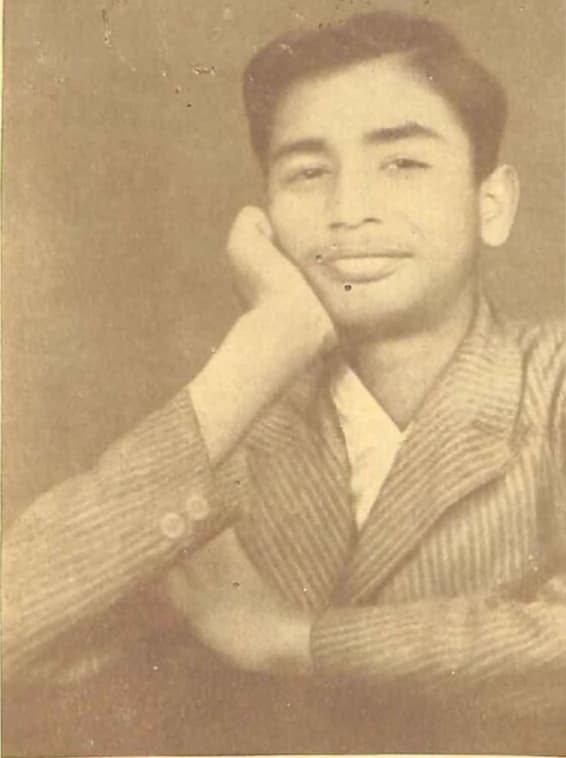
Sukanta Bhattacharya
The fiery young revolutionary poet whose anti-fascist, humanitarian verses in Chharpotro became anthems of resistance during the 1971 Liberation War.
Major Honors & Awards
Life and Literary Journey
Sukanta Bhattacharya (15 August 1926 – 13 May 1947) was a Bengali poet and revolutionary. He was known as "Young Nazrul" and "Kishore Bidrohi Kobi" (lit. 'Teenage Rebel Poet'), for his rebellious stance and opposition against the British Raj, Empire of Japan, other Axis powers, Second World War, and the social elites through the work of poetry. While his poetry was not much studied during his career, he became one of the most popular poets of the 20th century and Bengali literature after his death, primarily because all of his poetry collection books were published after his death. These published books founded way for inspiration of social change in the community with their liberation themes. He became an official member of the Communist Party of India, as a Marxist poet, in 1944. He was known as a "Teen poet" for his works as a teen. His writing career spanned about 6 years. His main work was poetry, but he also wrote songs, stories, essays and plays.
Despite passing away at the age of twenty from tuberculosis, his poem 'Chharpotro' voiced fierce optimism for an equitable future.