
The Lahore (Pakistan) Resolution
In 1940 the Muslim League adopted the Lahore Resolution, demanding independent states for Indian Muslims, the political seed from which Pakistan, and later Bangladesh, grew.
Key Facts
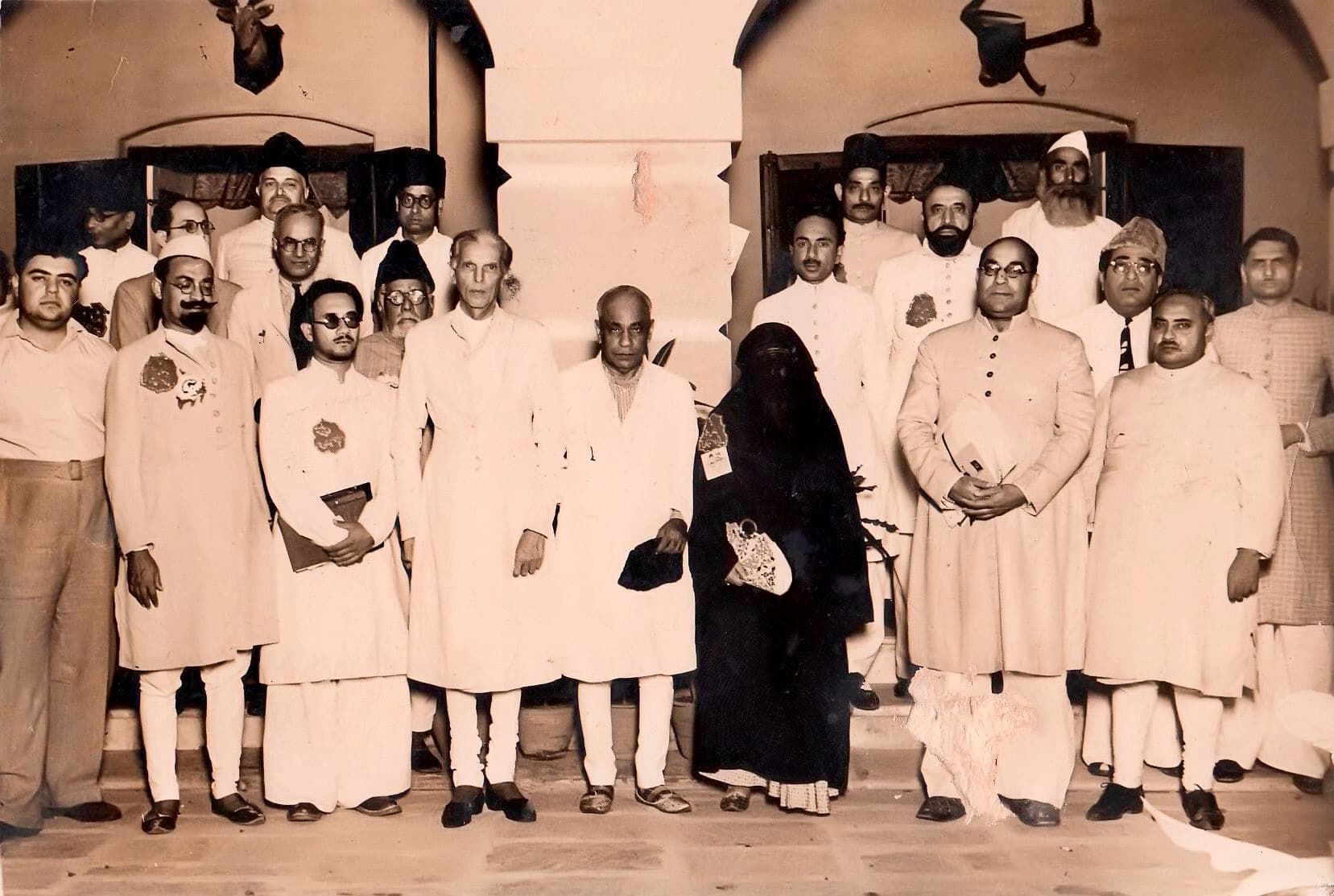
The Lahore Resolution, famously moved by Sher-e-Bangla A. K. Fazlul Huq on 23 March 1940, demanding sovereign states in the Muslim-majority eastern and northwestern zones.
Wikimedia CommonsTimeline Detail
The Lahore Resolution, sometimes called the Pakistan Resolution, was adopted at the League's annual session in March 1940.
It called for Muslim-majority areas in the north-west and north-east of India to be grouped into independent states.
The eastern wing of this demand covered the Muslim-majority areas of Bengal, the territory that became East Pakistan in 1947.
The resolution gave the political demand for a separate Muslim homeland, and its eastern zone later became Bangladesh.
A resolution about faraway Lahore shaped the eastern map that would become Bangladesh.
The marker is placed in Dhaka, as the resolution's eastern zone of Muslim-majority Bengal is today's Bangladesh; Lahore itself is in Pakistan.
The eastern demand for Muslim self-rule eventually becomes East Pakistan, then Bangladesh.
Willem van Schendel, A History of Bangladesh (Cambridge University Press, 2009)