
Xuanzang Visits the Bengal Delta
Around 640 CE the Chinese Buddhist pilgrim Xuanzang (Hiuen Tsiang) travelled through eastern Bengal and left one of the earliest first-hand descriptions of the region, its monasteries and its rice lands.
Key Facts
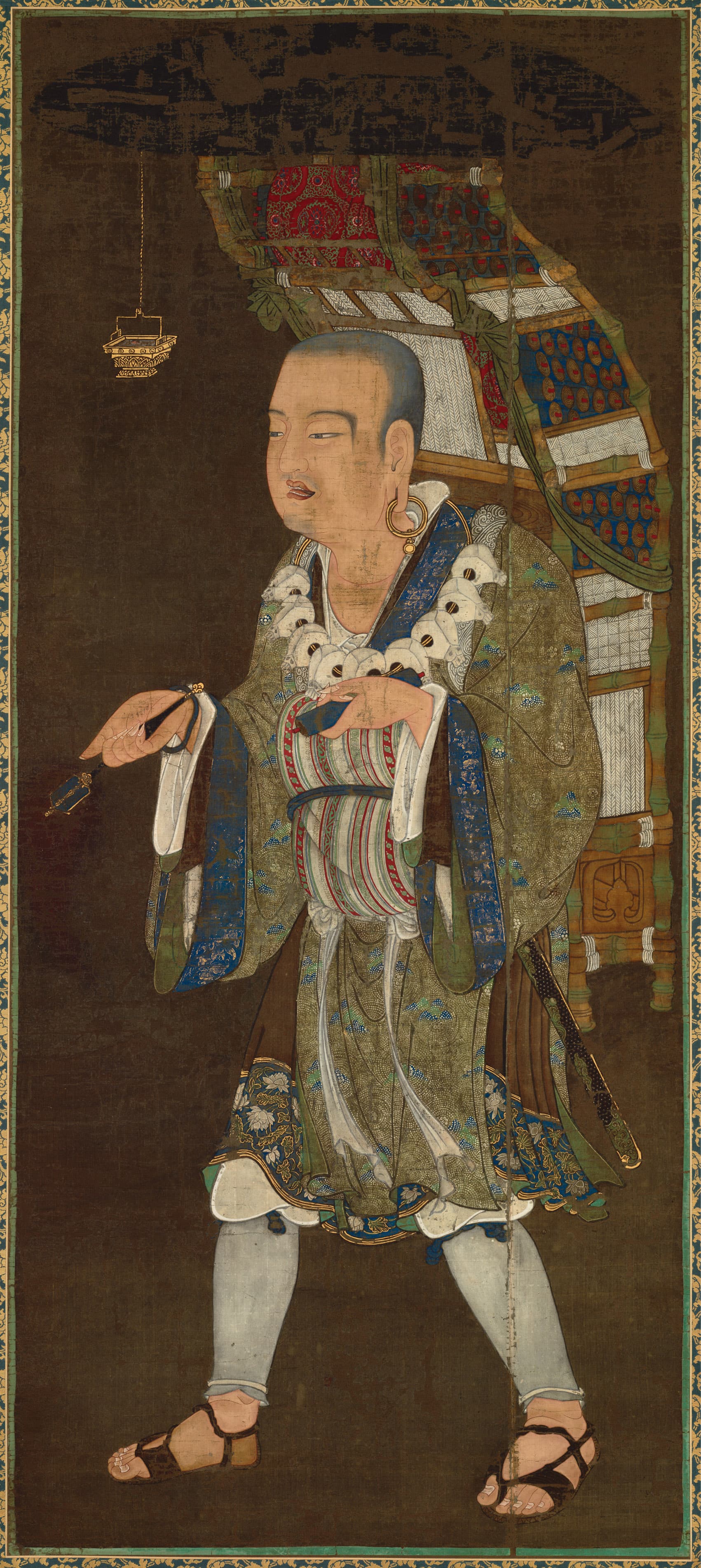
Xuanzang traversed the Bengal delta in the 7th century, leaving rich accounts of Buddhist monasteries and ancient learning centers in Pundravardhana, Samatata, and Karnasuvarna.
Wikimedia CommonsTimeline Detail
Xuanzang reached the delta overland and described the land as low, rich and well watered, with a capital about 13 km round and a soft, agreeable climate.
He counted roughly thirty monasteries with some 2,000 monks, most of the Theravada (Sthavira) school, alongside Brahmanical temples and Jain ascetics.
His account documents the coexistence of Buddhist, Hindu and Jain traditions in eastern Bengal more than half a millennium before Islam arrived.
Because this visitor wrote in detail about landscape, learning and religion, his travelogue is a cornerstone of any deep history of Bangladesh.
A Chinese pilgrim's notebook is one of the oldest windows into the delta's monasteries and rice fields.
The marker approximates the historic Samatata region in south-east Bangladesh that Xuanzang described.
Ancient pilgrimage routes and monastic sites later become heritage layers, not 1971 sectors.
Willem van Schendel, A History of Bangladesh (Cambridge University Press, 2009)