
Noakhali Communal Riots
In 1946 widespread Hindu-Muslim riots broke out in Noakhali, Kolkata and Bihar, deepening communal divisions in the last year before Partition.
Key Facts
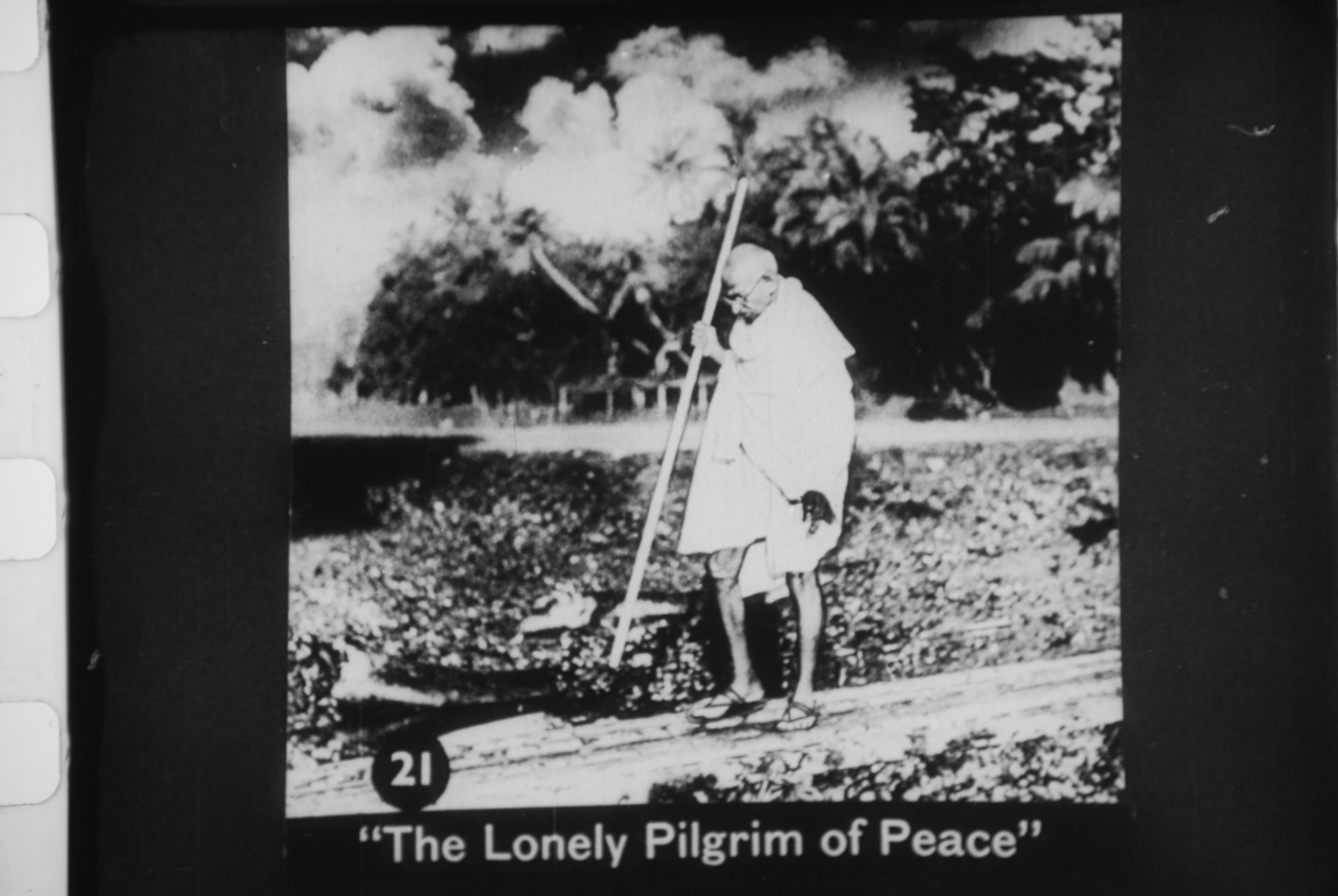
Mahatma Gandhi walked village to village across Noakhali in the winter of 1946 on a mission to restore communal harmony after widespread riots.
Wikimedia CommonsTimeline Detail
The riots of 1946 were part of a wave of communal violence that swept through South Asia as the end of colonial rule approached.
In Noakhali and Tippera, violence between communities in rural areas led to large-scale displacement and fear.
Mahatma Gandhi's subsequent visit to Noakhali, his 'noakhali padayatra', became a symbol of the effort to heal communal wounds.
The riots hardened the demand for a separate Muslim homeland and helped make Partition inevitable.
Violence in 1946 Noakhali made the call for Pakistan louder and Partition closer.
Marker at the Noakhali district region where the riots occurred.
Communal division in Noakhali fed the population exchange and Partition that made East Pakistan.
Willem van Schendel, A History of Bangladesh (Cambridge University Press, 2009)